| |
|
|
|
|
|
 |
| |
|
올디칼정 OLDICAL FILM TAB.[Cholecalciferol , Cupric oxide , Magnesium Oxide , Oyster shell powder , Pyridoxine HCl , Riboflavin , Thiamin
|
|
일반의약품 | 비급여
|
|
|
| |
 |
알림: |
드럭인포에서는 의약품 인터넷 판매를 하지 않습니다. |
|



|
|
|
|
|
|
 |
|
|
|
|
|
|
|
|
|
|
유료회원 결재시에는 보다 다양한 약물정보를
이용하실 수 있습니다.
유료정보목록은 전문회원으로
로그인 하시면 확인 가능합니다.
|
|
|
 | 허가정보 |
|
|
| 항목 |
내용 |
청구코드(KD코드)
비급여점검코드
상한금액 |
비급여
[상병코드조회]
[질병코드집 다운로드]
[우리집건강주치의 바로가기]
|
| 빠른조회 |
|
| 제품성상 |
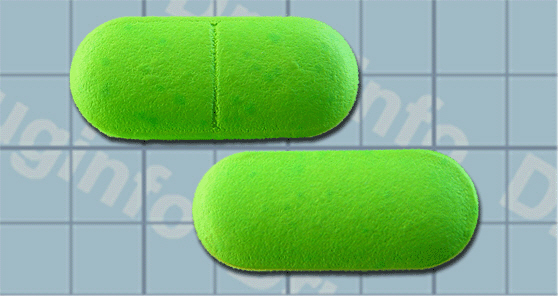
녹색 장방형의 필름제피정
[제형정보 확인]
|
| 보관방법 |
240T |
| 약리작용 |
[조회]
|
| 효능효과 |
[적응증 별 검색]

*칼슘결핍 및 기타 칼슘의 보급*뼈·이의 발육불량 ·구루병의 예방
*다음 증상의 완화 : 신경통, 근육통, 관절통(요통, 견통등)*각기 *눈의 피로
|
| 용법용량 |
* 절대 임의복용하지 마시고 반드시 의사 또는 약사와 상담하시기 바랍니다.



[처방약어]
성인 12세 이상의 어린이 : 1회 1정씩 1일 2회 식후 복용한다.
|
| 금기 |
- 과칼슘혈증(hypercalciumia :
혈액중에 칼슘이 과잉으로 존재하는 상태)환자, 유육정용, 신질환 환자(비타민D 함유제제 및 칼슘제제)이 약 및 이 약에 포함된 성분에 과민증이 있는 환자 3개월 미만의 영아 12개월 미만의 영아 윌슨씨 병 신결석 환자 중증의 신부전 환자 임부
|
| 신중투여 |
- 1세 미만인 영아
- 의사의 치료를 받고 있는 환자
-
햇빛을 많이 보고 정상적인 식사를 하는 어린이에게는 비타민D 또는 칼슘의 투여를 피한다.
- 임부, 수유부
-
심장·순환기계기능 장애 환자
- 신장애 환자
- 저단백혈증 환자
- 강심배당체를 투여중인 환자
|
| 이상반응 |
- 이 약 투여에 의하여 다음의 증상이 있을 경우에는 복용을 중지하고 의사 또는 약사와 상의 한다. :
구역, 구토, 설사, 묽은 변, 식욕부진, 복부팽만감, 변비, 저혈압, 얼굴달아오름, 심박동 불규칙, 구역질, 피부발진, 상복부 통증, 혼수, 홍반, 부전수축, 중추신경계 기능저하 피리독신을 1일 500mg∼2g의 용량으로 장기간 복용하면 감각신경병 또는 신경병적증상 (neuropathy : 말초신경계의 기능적 장애 또는 병적변화)이 나타날 수 있다.대량투여로 인해 구역, 구토 등의 위장증상, 고나트륨혈증, 울혈성심부전, 부종 등의 증상이 나타날 수 있다. 장기투여에 의해 고칼슘혈증 및 결석증이 나타날 수 있다.
|
| 일반적 주의 |
정해진 용법·용량을 잘 지킨다. 2) 1개월 정도 투여하여도 증상의 개선이 없을 경우에는 의사 또는 약사와 상의한다 |
| 상호작용 |
- 항알도스테론제, 트리암테렌과 병용투여시 고칼륨혈증을 일으킬 수 있으므로 주의한다.
- 이 약을 투여한 경우에는 다음의 약물과 병용투여하지 않는다.
- 인산염, 칼슘염, 경구용 테트라사이클린계 제제, 제산제
- 레보도파
- 녹차, 홍차 등 탄닌을 함유하는 차는 복용중, 복용전후에는 피할 것.
|
| 보관 및 취급상의 주의 |
- 어린이의 손이 닿지 않는 곳에 보관한다.
-
직사광선을 피하고 될 수 있으면 습기가 적고 서늘한 곳에 밀전하여 보관한다.
- 오·남용을 피하고, 품질을 보호·유지하기 위해 다른 용기에 넣지 않는다.
|
| Related FDA Approved Drug |
기준 성분: MAGNESIUM OXIDEIRRIGATING SOLUTION G IN PLASTIC CONTAINER (CITRIC ACID; MAGNESIUM OXIDE; SODIUM CARBONATE)
UROLOGIC G IN PLASTIC CONTAINER (CITRIC ACID; MAGNESIUM OXIDE; SODIUM CARBONATE)
기준 성분: CUPRIC OXIDE기준 성분: CHOLECALCIFEROLCERNEVIT-12 (ALPHA-TOCOPHEROL; ASCORBIC ACID; BIOTIN; CHOLECALCIFEROL; CYANOCOBALAMIN; FOLIC ACID; NIACINAMIDE; PANTOTHENIC ACID; PYRIDOXINE; RIBOFLAVIN; THIAMINE; VITAMIN A)
FOSAMAX PLUS D (ALENDRONATE SODIUM; CHOLECALCIFEROL)
INFUVITE ADULT (ALPHA-TOCOPHEROL ACETATE; ASCORBIC ACID; BIOTIN; CHOLECALCIFEROL; CYANOCOBALAMIN; DEXPANTHENOL; FOLIC ACID; NIACINAMIDE; PYRIDOXINE HYDROCHLORIDE; RIBOFLAVIN PHOSPHATE SODIUM; THIAMINE HYDROCHLORIDE; VITAMIN A PALMITATE; VITAMIN K)
INFUVITE PEDIATRIC (ASCORBIC ACID; BIOTIN; CHOLECALCIFEROL; CYANOCOBALAMIN; DEXPANTHENOL; FOLIC ACID; NIACINAMIDE; PYRIDOXINE; RIBOFLAVIN; THIAMINE; TOCOPHEROL ACETATE; VITAMIN A; VITAMIN K)
INFUVITE PEDIATRIC (PHARMACY BULK PACKAGE) (ASCORBIC ACID; BIOTIN; CHOLECALCIFEROL; CYANOCOBALAMIN; DEXPANTHENOL; FOLIC ACID; NIACINAMIDE; PYRIDOXINE; RIBOFLAVIN; THIAMINE; TOCOPHEROL ACETATE; VITAMIN A; VITAMIN K)
|
|
|
| 정보요약 |
|
|
|
드럭인포 의약품 요약/상세정보
|
|
| 코드 및 분류정보 |
|
|
| 항목 |
내용 |
| BIT 약효분류 |
칼슘 제제 / 비타민을 포함하는 칼슘 제제 (Calcium / with Vitamins)
|
| 복지부분류코드 |
316 (혼합비타민제(비타민AD혼합제제를 제외) )
|
| Drugs By Indication |
[전체보기]
|
| Drugs By Classification |
[전체보기]
|
|
|
| 제품정보 |
|
|
|
|
| 복약정보 |
|
|
| 항목 |
내용 |
| LACTmed 바로가기 |
[바로가기]
|
| 약리작용 |
유료정보입니다.
|
| 복약지도 |
유료정보입니다.
|
| 임부에대한투여 |
| * |
전체임신 기간별로 여러등급이 존재할 수 있으며 가장 위험도가 높은 정보만 보여집니다. 단, 복합제의 경우 모든 복합제성분에 대한 임부투여등급이 표시된것은 절대 아니며 표시된것중에 가장 위험도가 높은 정보만 나타납니다.
|
|
| |
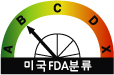
FDA : B등급
(magnesium oxide; )
|


|
| * |
상기 임부투여에 대한 정보는 전산처리 되면서 입력 오류 가능성이 존재합니다. 오류 가능성을 최소화하기 위하여 많은 노력을 기울이고 있으나, 그 정확성에 대하여 확신을 드릴 수 없습니다. 이에 대해 회사는 책임을 지지 않습니다.
|
| * |
반드시 공신력 있는 문헌을 다시 한번 참고 하시기 바라며 의사 또는 약사의 판단에 따라 투여여부가 결정되어야 합니다.
|
|
|
| Pharmacokinetics |
유료정보입니다.
|
| 병용금기 및 연령대금기 근거조회 |
[병용금기 및 연령대금기 근거조회]
|
| 복약라벨 |
| 이미지 |
복약설명 |
 |
임산부 또는 임신계획중 복용금지 |
|
 |
변비가 생길수 있습니다. |
|
|
| * |
복약이미지는 모든 복약지도 사항을 표시한것은 아니며, 추가적으로 업데이트되거나 수정될 수 있습니다. |
| * |
복약이미지의 표시여부는 실제 약물복용시 중요도에 따른것은 아니며 단순히 허가정보상 키워드를 기준으로 등록되었습니다. |
| * |
귀하가 복약이미지 정보를 신뢰함은 전적으로 귀하의 책임입니다. 드럭인포는 이에 대한 어떠한 보증도 하지 않습니다. |
|
|
| 보관상 주의 |
|
| 조제시 주의 |
|
|
|
| 심사정보 |
|
|
|
|
| 학술정보 |
|
|
| 항목 |
내용 |
| DUR (의약품사용평가) |
병용금기 :
고시된 병용금기 내용은 없습니다.
[상호작용/병용금기검색]
연령대금기 :
고시된 연령금기 내용은 없습니다.
[연령대금기상세검색]



|
| 독성정보 |
Magnesium에 대한 독성정보 : 정보보기
Pyridoxine에 대한 독성정보 : 정보보기
Riboflavin에 대한 독성정보 : 정보보기
출처: 국립독성과학원 독성물질정보DB : http://www.nitr.go.kr/nitr/contents/m134200/view.do |
| Mechanism of Action |
Cholecalciferol에 대한 Mechanism_Of_Action 정보
The first step involved in the activation of vitamin D3 is a 25-hydroxylation which is catalysed by the 25-hydroxylase in the liver and then by other enzymes. The mitochondrial sterol 27-hydroxylase catalyses the first reaction in the oxidation of the side chain of sterol intermediates. The active form of vitamin D3 (calcitriol) binds to intracellular receptors that then function as transcription factors to modulate gene expression. Like the receptors for other steroid hormones and thyroid hormones, the vitamin D receptor has hormone-binding and DNA-binding domains. The vitamin D receptor forms a complex with another intracellular receptor, the retinoid-X receptor, and that heterodimer is what binds to DNA. In most cases studied, the effect is to activate transcription, but situations are also known in which vitamin D suppresses transcription. Calcitriol increases the serum calcium concentrations by: increasing GI absorption of phosphorus and calcium, increasing osteoclastic resorption, and increasing distal renal tubular reabsorption of calcium. Calcitriol appears to promote intestinal absorption of calcium through binding to the vitamin D receptor in the mucosal cytoplasm of the intestine. Subsequently, calcium is absorbed through formation of a calcium-binding protein.
Magnesium에 대한 Mechanism_Of_Action 정보
Not Available
Pyridoxine에 대한 Mechanism_Of_Action 정보
Vitamin B6 is the collective term for a group of three related compounds, pyridoxine (PN), pyridoxal (PL) and pyridoxamine (PM), and their phosphorylated derivatives, pyridoxine 5'-phosphate (PNP), pyridoxal 5'-phosphate (PLP) and pyridoxamine 5'-phosphate (PMP). Although all six of these compounds should technically be referred to as vitamin B6, the term vitamin B6 is commonly used interchangeably with just one of them, pyridoxine. Vitamin B6, principally in the form of the coenzyme pyridoxal 5'-phosphate, is involved in a wide range of biochemical reactions, including the metabolism of amino acids and glycogen, the synthesis of nucleic acids, hemogloblin, sphingomyelin and other sphingolipids, and the synthesis of the neurotransmitters serotonin, dopamine, norepinephrine and gamma-aminobutyric acid (GABA).
Riboflavin에 대한 Mechanism_Of_Action 정보
Binds to riboflavin hydrogenase, riboflavin kinase, and riboflavin synthase. Riboflavin is the precursor of flavin mononucleotide (FMN, riboflavin monophosphate) and flavin adenine dinucleotide (FAD). The antioxidant activity of riboflavin is principally derived from its role as a precursor of FAD and the role of this cofactor in the production of the antioxidant reduced glutathione. Reduced glutathione is the cofactor of the selenium-containing glutathione peroxidases among other things. The glutathione peroxidases are major antioxidant enzymes. Reduced glutathione is generated by the FAD-containing enzyme glutathione reductase.
Thiamine에 대한 Mechanism_Of_Action 정보
It is thought that the mechanism of action of thiamine on endothelial cells is related to a reduction in intracellular protein glycation by redirecting the glycolytic flux.
|
| Pharmacology |
Cholecalciferol에 대한 Pharmacology 정보
Cholecalciferol (vitamin D3) is a steroid hormone that has long been known for its important role in regulating body levels of calcium and phosphorus, in mineralization of bone, and for the assimilation of Vitamin A. The classical manifestations of vitamin D deficiency is rickets, which is seen in children and results in bony deformaties including bowed long bones. Deficiency in adults leads to the disease osteomalacia. Both rickets and osteomalacia reflect impaired mineralization of newly synthesized bone matrix, and usually result from a combination of inadequate exposure to sunlight and decreased dietary intake of vitamin D. Common causes of vitamin D deficiency include genetic defects in the vitamin D receptor, severe liver or kidney disease, and insufficient exposure to sunlight. Vitamin D plays an important role in maintaining calcium balance and in the regulation of parathyroid hormone (PTH). It promotes renal reabsorption of calcium, increases intestinal absorption of calcium and phosphorus, and increases calcium and phosphorus mobilization from bone to plasma.
Pyridoxine에 대한 Pharmacology 정보
Vitamin B6 (pyridoxine) is a water-soluble vitamin used in the prophylaxis and treatment of vitamin B6 deficiency and peripheral neuropathy in those receiving isoniazid (isonicotinic acid hydrazide, INH). Vitamin B6 has been found to lower systolic and diastolic blood pressure in a small group of subjects with essential hypertension. Hypertension is another risk factor for atherosclerosis and coronary heart disease. Another study showed pyridoxine hydrochloride to inhibit ADP- or epinephrine-induced platelet aggregation and to lower total cholesterol levels and increase HDL-cholesterol levels, again in a small group of subjects. Vitamin B6, in the form of pyridoxal 5'-phosphate, was found to protect vascular endothelial cells in culture from injury by activated platelets. Endothelial injury and dysfunction are critical initiating events in the pathogenesis of atherosclerosis. Human studies have demonstrated that vitamin B6 deficiency affects cellular and humoral responses of the immune system. Vitamin B6 deficiency results in altered lymphocyte differentiation and maturation, reduced delayed-type hypersensitivity (DTH) responses, impaired antibody production, decreased lymphocyte proliferation and decreased interleukin (IL)-2 production, among other immunologic activities.
Riboflavin에 대한 Pharmacology 정보
Riboflavin or vitamin B2 is an easily absorbed, water-soluble micronutrient with a key role in maintaining human health. Like the other B vitamins, it supports energy production by aiding in the metabolising of fats, carbohydrates, and proteins. Vitamin B2 is also required for red blood cell formation and respiration, antibody production, and for regulating human growth and reproduction. It is essential for healthy skin, nails, hair growth and general good health, including regulating thyroid activity. Riboflavin also helps in the prevention or treatment of many types of eye disorders, including some cases of cataracts.
Thiamine에 대한 Pharmacology 정보
Thiamine is a vitamin with antioxidant, erythropoietic, cognition-and mood-modulatory, antiatherosclerotic, putative ergogenic, and detoxification activities. Thiamine has been found to protect against lead-induced lipid peroxidation in rat liver and kidney. Thiamine deficiency results in selective neuronal death in animal models. The neuronal death is associated with increased free radical production, suggesting that oxidative stress may play an important early role in brain damage associated with thiamine deficiency. Thiamine plays a key role in intracellular glucose metabolism and it is thought that thiamine inhibits the effect of glucose and insulin on arterial smooth muscle cell proliferation. Inhibition of endothelial cell proliferation may also promote atherosclerosis. Endothelial cells in culture have been found to have a decreased proliferative rate and delayed migration in response to hyperglycemic conditions. Thiamine has been shown to inhibit this effect of glucose on endothelial cells.
|
| Protein Binding |
Cholecalciferol에 대한 단백결합 정보
50% to 80%
Pyridoxine에 대한 단백결합 정보
22%
Riboflavin에 대한 단백결합 정보
60%
Thiamine에 대한 단백결합 정보
90-94%
|
| Half-life |
Cholecalciferol에 대한 반감기 정보
Several weeks
Pyridoxine에 대한 반감기 정보
15-20 days
Riboflavin에 대한 반감기 정보
66-84 minutes
|
| Absorption |
Cholecalciferol에 대한 Absorption 정보
Readily absorbed
Pyridoxine에 대한 Absorption 정보
The B vitamins are readily absorbed from the gastrointestinal tract, except in malabsorption syndromes. Pyridoxine is absorbed mainly in the jejunum.
Riboflavin에 대한 Absorption 정보
Vitamin B2 is readily absorbed from the upper gastrointestinal tract.
Thiamine에 대한 Absorption 정보
Absorbed mainly from duodenum, by both active and passive processes
|
| Pharmacokinetics |
Magnesium Oxide의 약물동력학자료
- 흡수 : 공장, 회장에서 능동, 수동 흡수
- 사하작용 발현 : 4-8 시간
- 총단백결합율 : 33%
- 소실 : 흡수된 마그네슘은 신속하게 신장 배설, 흡수되지 않은 마그네슘은 대변 배설
Riboflavin의 약물동력학자료
- 흡수 :
- 위장관으로부터 잘 흡수된다.
- 음식물에 의해 흡수양이 증가한다.
- 간염, 간경화, 담관폐색이 있는 환자에서 흡수가 감소한다.
- 분포 : 체내 모든 조직에 널리 분포한다.
- 반감기 :
- 초기 상 : 1.4 시간
- 말기 상 : 14시간
- 소실 : 미변화체로 신배설되는 양은 약 9%이다.
Pyridoxine HCl의 약물동력학자료
- 흡수 : 위장관으로부터 잘 흡수된다.
- 대사 : 간에서 4-pyridoxic acid로 대사된다.
- 반감기 : 15-20일
- 혈중최고농도 도달시간 : 경구 : 1.25 시간
- 소실 : 4-pyridoxic acid로 신배설되며, 소량 (약 2%)은 담즙을 통해 배설된다.
Cholecalciferol의 약물동력학자료
- 흡수 : 위장관으로부터 잘 흡수된다.
- 분포 : 흡수 후 chylomicrons을 통해 혈중으로 수송되며, 주로 간에 저장되고 기타 지방, 근육, 피부 및 골 조직 등에도 존재한다.
- 단백결합 : 주로 vitamin D-binding α-globulin에 결합하며 albumin과도 결합한다.
- 대사 : 간에서 vitamin D 25-hydroxylase에 의해 25-[OH] D로 대사된 후, 신장에서 vitamin D 1-hydroxylase에 의해 활성형인 1,25-[OH]2 D로 대사된다.
- 반감기 : vitamin D : 혈장 내에서 19-25 시간
- 소실 : 주로 담즙 및 대변을 통해 배설되며 소량은 뇨를 통해 배설된다.
Thiamine nitrate의 약물동력학자료
- 흡수 :
- 경구 : 최대흡수량 : 8-15 mg/day
- 근육주사 : 신속하고 완전하게 흡수된다.
- 분포 : 최소요구량 (약 1 mg/day)을 초과 섭취시 조직 저장에 포화가 나타난다.
- 소실 : 과잉 섭취된 양은 뇨를 통해 배설된다.
|
| Biotransformation |
Cholecalciferol에 대한 Biotransformation 정보
Within the liver, cholecalciferal is hydroxylated to calcidiol (25-hydroxycholecalciferol) by the enzyme 25-hydroxylase. Within the kidney, calcidiol serves as a substrate for 1-alpha-hydroxylase, yielding calcitriol (1,25-dihydroxycholecalciferol), the biologically active form of vitamin D3.
Riboflavin에 대한 Biotransformation 정보
Hepatic.
Thiamine에 대한 Biotransformation 정보
Hepatic
|
| Toxicity |
Cholecalciferol에 대한 Toxicity 정보
Hypercalcemia - Early symptoms of hypercalcemia, include nausea and vomiting, weakness, headache, somnolence, dry mouth, constipation, metallic taste, muscle pain and bone pain. Late symptoms and signs of hypercalcemia, include polyuria, polydipsia, anorexia, weight loss, nocturia, conjunctivitis, pancreatitis, photophobia, rhinorrhea, pruritis, hyperthermia, decreased libido, elevated BUN, albuminuria, hypercholesterolemia, elevated ALT (SGPT) and AST (SGOT), ectopic calcification, nephrocalcinosis, hypertension and cardiac arrhythmias.
Pyridoxine에 대한 Toxicity 정보
Oral Rat LD50 = 4 gm/kg. Toxic effects include convulsions, dyspnea, hypermotility, diarrhea, ataxia and muscle weakness.
Riboflavin에 대한 Toxicity 정보
Not Available
Thiamine에 대한 Toxicity 정보
Thiamine toxicity is uncommon; as excesses are readily excreted, although long-term supplementation of amounts larger than 3 gram have been known to cause toxicity. Oral mouse LD50 = 8224 mg/kg, oral rat LD50 = 3710 mg/kg.
|
| Drug Interactions |
Cholecalciferol에 대한 Drug_Interactions 정보
Not Available
Magnesium에 대한 Drug_Interactions 정보
Alendronate Formation of non-absorbable complexesCiprofloxacin Formation of non-absorbable complexesClodronate Formation of non-absorbable complexesDemeclocycline Formation of non-absorbable complexesDoxycycline Formation of non-absorbable complexesEnoxacin Formation of non-absorbable complexesEtidronic acid Formation of non-absorbable complexesGatifloxacin Formation of non-absorbable complexesGemifloxacin Formation of non-absorbable complexesGrepafloxacin Formation of non-absorbable complexesIbandronate Formation of non-absorbable complexesLevofloxacin Formation of non-absorbable complexesLomefloxacin Formation of non-absorbable complexesMethacycline Formation of non-absorbable complexesMinocycline Formation of non-absorbable complexesMoxifloxacin Formation of non-absorbable complexesNorfloxacin Formation of non-absorbable complexesOfloxacin Formation of non-absorbable complexesOxytetracycline Formation of non-absorbable complexesPefloxacin Formation of non-absorbable complexesRisedronate Formation of non-absorbable complexesTrovafloxacin Formation of non-absorbable complexesTetracycline Formation of non-absorbable complexesTemafloxacin Formation of non-absorbable complexesAmprenavir The antiacid decreases the absorption of amprenavirChloroquine The antiacid decreases the absorption of chloroquineAtazanavir This gastric pH modifier decreases the levels/effects of atazanavirDelavirdine The antiacid decreases the absorption of delavirdineDihydroquinidine barbiturate The antiacid decreases the absorption of quinidineFosamprenavir The antiacid decreases the absorption of amprenavirIndinavir The antiacid decreases the absorption of indinavirQuinidine The antiacid decreases the absorption of quindineQuinidine barbiturate The antiacid decreases the absorption of quinidinePolystyrene sulfonate Risk of alkalosis in renal impairmentRosuvastatin The antiacid decreases the absorption of rosuvastatin
Pyridoxine에 대한 Drug_Interactions 정보
Not Available
Riboflavin에 대한 Drug_Interactions 정보
Not Available
Thiamine에 대한 Drug_Interactions 정보
Not Available
|
CYP450
Drug Interaction |
[CYP450 Table직접조회]
|
| Drug Target |
[Drug Target]
|
| Description |
Cholecalciferol에 대한 Description 정보
Derivative of 7-dehydroxycholesterol formed by ultraviolet rays breaking of the C9-C10 bond. It differs from ergocalciferol in having a single bond between C22 and C23 and lacking a methyl group at C24. [PubChem]
Magnesium에 대한 Description 정보
Magnesium hydroxide is used primarily in "Milk of Magnesia", a white aqueous, mildly alkaline suspension of magnesium hydroxide formulated at about 8%w/v. Milk of magnesia is primarily used to alleviate constipation, but can also be used to relieve indigestion and heartburn. When taken internally by mouth as a laxative, the osmotic force of the magnesia suspension acts to draw fluids from the body and to retain those already within the lumen of the intestine, serving to distend the bowel, thus stimulating nerves within the colon wall, inducing peristalsis and resulting in evacuation of colonic contents.
Pyridoxine에 대한 Description 정보
The 4-methanol form of vitamin B 6 which is converted to pyridoxal phosphate which is a coenzyme for synthesis of amino acids, neurotransmitters (serotonin, norepinephrine), sphingolipids, aminolevulinic acid. Although pyridoxine and Vitamin B 6 are still frequently used as synonyms, especially by medical researchers, this practice is erroneous and sometimes misleading (EE Snell; Ann NY Acad Sci, vol 585 pg 1, 1990). [PubChem]
Riboflavin에 대한 Description 정보
Nutritional factor found in milk, eggs, malted barley, liver, kidney, heart, and leafy vegetables. The richest natural source is yeast. It occurs in the free form only in the retina of the eye, in whey, and in urine; its principal forms in tissues and cells are as flavin mononucleotide and flavin-adenine dinucleotide. [PubChem]
Thiamine에 대한 Description 정보
3-((4-Amino-2-methyl-5-pyrimidinyl)methyl)-5-(2- hydroxyethyl)-4-methylthiazolium chloride. [PubChem]
|
| Dosage Form |
Cholecalciferol에 대한 Dosage_Form 정보
Capsule OralTablet Oral
Magnesium에 대한 Dosage_Form 정보
Aerosol OralCapsule OralLiquid IntramuscularLiquid IntravenousLiquid OralOintment TopicalPellet OralPowder OralSolution IntramuscularSolution IntravenousSolution OralSolution / drops OralSuspension OralSyrup OralTablet Oral
Pyridoxine에 대한 Dosage_Form 정보
Liquid IntramuscularSolution IntramuscularSolution / drops OralTablet Oral
Riboflavin에 대한 Dosage_Form 정보
Not Available
Thiamine에 대한 Dosage_Form 정보
Liquid IntramuscularLiquid IntravenousSolution IntravenousTablet Oral
|
| Drug Category |
Cholecalciferol에 대한 Drug_Category 정보
Antihypocalcemic AgentsAntihypoparathyroid AgentsBone Density Conservation AgentsEssential VitaminVitaminsVitamins (Vitamin D)
Magnesium에 대한 Drug_Category 정보
Not Available
Pyridoxine에 대한 Drug_Category 정보
Anti-inflammatory AgentsEssential VitaminVitamin B ComplexVitamins (Vitamin B Complex)
Riboflavin에 대한 Drug_Category 정보
Photosensitizing AgentsRadiation-Sensitizing AgentsVitamin B ComplexVitamins (Vitamin B Complex)
Thiamine에 대한 Drug_Category 정보
Anti-inflammatory AgentsEssential VitaminVitamin B ComplexVitamins (Vitamin B Complex)
|
| Smiles String Canonical |
Cholecalciferol에 대한 Smiles_String_canonical 정보
CC(C)CCCC(C)C1CCC2C(CCCC12C)=CC=C1CC(O)CCC1=C
Magnesium에 대한 Smiles_String_canonical 정보
[Mg++]
Pyridoxine에 대한 Smiles_String_canonical 정보
CC1=NC=C(CO)C(CO)=C1O
Riboflavin에 대한 Smiles_String_canonical 정보
CC1=CC2=C(C=C1C)N(CC(O)C(O)C(O)CO)C1=NC(=O)NC(=O)C1=N2
Thiamine에 대한 Smiles_String_canonical 정보
CC1=NC=C(C[N+]2=CSC(CCO)=C2C)C(N)=N1
|
| Smiles String Isomeric |
Cholecalciferol에 대한 Smiles_String_isomeric 정보
CC(C)CCC[C@@H](C)[C@H]1CC[C@@H]2[C@]1(C)CCC\C2=C/C=C1\C[C@@H](O)CCC1=C
Magnesium에 대한 Smiles_String_isomeric 정보
[Mg++]
Pyridoxine에 대한 Smiles_String_isomeric 정보
CC1=NC=C(CO)C(CO)=C1O
Riboflavin에 대한 Smiles_String_isomeric 정보
CC1=CC2=C(C=C1C)N(C[C@@H](O)[C@@H](O)[C@@H](O)CO)C1=NC(=O)NC(=O)C1=N2
Thiamine에 대한 Smiles_String_isomeric 정보
CC1=NC=C(C[N+]2=CSC(CCO)=C2C)C(N)=N1
|
| InChI Identifier |
Cholecalciferol에 대한 InChI_Identifier 정보
InChI=1/C27H44O/c1-19(2)8-6-9-21(4)25-15-16-26-22(10-7-17-27(25,26)5)12-13-23-18-24(28)14-11-20(23)3/h12-13,19,21,24-26,28H,3,6-11,14-18H2,1-2,4-5H3/t21-,24+,25-,26+,27-/m1/s1
Magnesium에 대한 InChI_Identifier 정보
InChI=1/Mg/q+2
Pyridoxine에 대한 InChI_Identifier 정보
InChI=1/C8H11NO3/c1-5-8(12)7(4-11)6(3-10)2-9-5/h2,10-12H,3-4H2,1H3
Riboflavin에 대한 InChI_Identifier 정보
InChI=1/C17H20N4O6/c1-7-3-9-10(4-8(7)2)21(5-11(23)14(25)12(24)6-22)15-13(18-9)16(26)20-17(27)19-15/h3-4,11-12,14,22-25H,5-6H2,1-2H3,(H,20,26,27)/t11-,12+,14-/m1/s1/f/h20H
Thiamine에 대한 InChI_Identifier 정보
InChI=1/C12H17N4OS/c1-8-11(3-4-17)18-7-16(8)6-10-5-14-9(2)15-12(10)13/h5,7,17H,3-4,6H2,1-2H3,(H2,13,14,15)/q+1/f/h13H2
|
| Chemical IUPAC Name |
Cholecalciferol에 대한 Chemical_IUPAC_Name 정보
(1S)-3-[2-[(1R,3aS,7aR)-7a-methyl-1-[(2R)-6-methylheptan-2-yl]-2,3,3a,5,6,7-hexahydro-1H-inden-4-ylidene]ethylidene]-4-methylidenecyclohexan-1-ol
Magnesium에 대한 Chemical_IUPAC_Name 정보
magnesium(+2) cation
Pyridoxine에 대한 Chemical_IUPAC_Name 정보
4,5-bis(hydroxymethyl)-2-methylpyridin-3-ol
Riboflavin에 대한 Chemical_IUPAC_Name 정보
7,8-dimethyl-10-[(2R,3R,4S)-2,3,4,5-tetrahydroxypentyl]benzo[g]pteridine-2,4-dione
Thiamine에 대한 Chemical_IUPAC_Name 정보
2-[3-[(4-amino-2-methylpyrimidin-5-yl)methyl]-4-methyl-1,3-thiazol-3-ium-5-yl]ethanol
|
|
|
| 사용자컨텐츠 |
|
|
|
|
|
-
최근정보수정일 2022-07-05
-
본 수정일 정보는 허가정보 이외의 기타정보 수정일을 의미하므로, 허가정보수정일은 본문에 표기된 날짜를 참조하시기 바랍니다.
|
|
| 알림 |
상세정보는 식품의약품안전처의 제품허가사항을 토대로 작성되었으며 요약정보는 상세정보 및 기타문헌을 기반으로 드럭인포에서 편집한 내용입니다. 제품허가사항의 목차와 다소 상이할 수 있습니다. |
|
| 경고 |
드럭인포 의약학술정보는 식품의약품안전처의 제품허가사항, 학술문헌, 제약회사 제공정보 등을 근거로 작성된 참고 정보입니다.
정보의 정확성을 위해 노력하고 있으나 편집상의 오류, 허가사항 변경, 추가적인 학술연구 또는 임상연구 발표 등으로 인해 발생하는 문제에 대해 드럭인포는
책임을 지지 않습니다. 자세한 내용은 “책임의 한계 및 법적고지”를 참조해 주십시오.
반드시 제조·수입사, 판매사, 의사, 약사에게 최종적으로 확인하시기 바랍니다.
전화: 02-3486-1061 ㅣ 이메일: webmaster@druginfo.co.kr
|
|
아래의 내용을 포함한 전체 데이터를 보시려면
여기로 이동하시기 바랍니다.
병용금기 및 특정연령대 금기 성분
|
|
|
|




















 전문/일반
전문/일반