| |
|
|
|
|
|
 |
| |
|
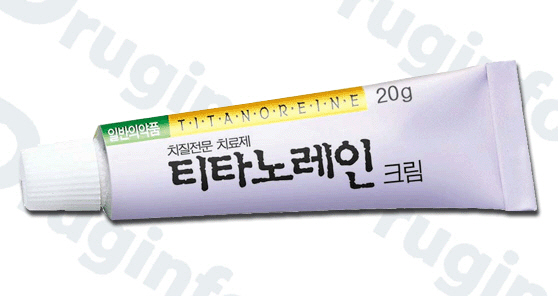
티타노레인크림 TITANORAIN CREAM.[Carragenate , Lidocaine , Titanium dioxide , Zinc Oxide]
|
|
일반의약품 | 비급여
|
|
|
| |
 |
알림: |
드럭인포에서는 의약품 인터넷 판매를 하지 않습니다. |
|



|
|
 전문/일반 전문/일반 |
일반
|
|
|
제조회사 |
 일양약품(주)
|
|
판매회사 |
일양약품(주)
|
|
허가정보 |
취하
(2021.04.01)
|
|
BIT 약효분류 |
혈관강화제, 정맥류 치료제, 치질약(Capillary stabilizer, Phlebitis, Varicose veins, Hemorrhoidal)
|
|
복지부분류 |
256[치질용제 ] |
청구코드(KD코드)
비급여점검코드 |
641702400[A09504991]
\0 원/1g(2006.11.01)(현재약가)\139 원/1g(2004.01.01) (변경전약가)
|

|
|
| ATC코드 |
Lidocaine / C05AD01 |
| NDC코드 |
[Proprietary Name Search _ 특허등록명,상표명으로 검색]
[Active Ingredient Search _ 주성분으로 검색]
[NDC Number Search _ NDC코드로 검색]
|
|
성분 / 함량 |
[심평원 주성분코드 기준 성분함량정보 조회]
|
|
첨가제 |
디메티콘,
미결정셀룰로오스,
소르베이트칼륨,
정제수,
파라옥시벤조산메틸,
파라옥시벤조산프로필,
팔미토스테아린산폴리옥시에칠렌글리콜,
포화폴리글리콜화글리세라이드,
프로필렌글리콜
|
|
|
|
|
 |
|
|
|
|
|
|
|
|
|
|
유료회원 결재시에는 보다 다양한 약물정보를
이용하실 수 있습니다.
유료정보목록은 전문회원으로
로그인 하시면 확인 가능합니다.
|
|
|
 | 허가정보 |
|
|
| 항목 |
내용 |
청구코드(KD코드)
비급여점검코드
상한금액 |
641702400[A09504991]
[보험코드에 따른 약품기본정보 직접조회]
\0 원/1g(2006.11.01)(현재약가)
\139 원/1g(2004.01.01)(변경전약가)
[상병코드조회]
[질병코드조회]
|
| 빠른조회 |
|
| 제품성상 |
백색의 전질 균등한 오일상의 크림 [제형정보 확인] |
| 포장·유통단위 |
20g×1EA |
| 포장·코드단위 |
| 약품규격 |
단위 |
포장형태 |
대표코드 |
표준코드 |
비고 |
| 20그램 |
1 개 |
튜브 |
8806417024002 |
8806417024019 |
|
|
| 주성분코드 |
337500CCM
[동일한 주성분코드를 가진 오리지날 또는 제네릭 의약품 조회]
|
| 허가사항 원문조회 |
[허가사항 원문조회]
|
| 효능효과 |
[적응증 별 검색]

치질, 항문열창증상(통증, 출혈, 부종, 가려움)
[Drugbank 의 성분정보열람]
[Lidocaine]
|
| 용법용량 |
* 절대 임의복용하지 마시고 반드시 의사 또는 약사와 상담하시기 바랍니다.


[처방약어]
[주성분코드:337500CCM 에 따른 심사지침열람]
1일 1회-수회 환부에 적당량을 직접 바르거나 린트포 등에 펴서 발라 붙인다. 항문내에 적용시 주입기를 사용하여 항문내에 짜 넣는다.
[제형별복약지도]
|
| 금기 |
- 이 약에 과민증이 있는 환자
- 환부가 화농되어 있는 환자(크림)
|
| 신중투여 |
- 지금까지 약에 의한 발진, 발적, 가려움등을 일으킨 적이 있는 분
- 임부 또는 임신하고 있을 가능성이 있는 부인
- 의사의 치료를 받고 있는 분
|
| 이상반응 |
- 이 약의 사용에 의하여 발적, 부종, 자극감 또는 화농등의 증상이 나타날 경우에는 사용을 중지하고 약사 또는 의사와 상의한다.
- 10일정도 사용하여도 증상의 개선이 나타나지 않을 경우에는 사용을 중지하고 약사 또는 의사와 상의 한다.
|
| Off-label Usage |
[조회]
|
| Related FDA Approved Drug |
|
|
|
| 정보요약 |
|
|
|
드럭인포 의약품 요약/상세정보
|
|
| 코드 및 분류정보 |
|
|
| |
|
| 제품정보 |
|
|
|
|
| 복약정보 |
|
|
| 항목 |
내용 |
| LACTmed 바로가기 |
[바로가기]
|
| 약리작용 |
유료정보입니다.
|
| 축약복약지도 |
유료정보입니다.
|
| 복약지도 |
유료정보입니다.
|
| 임부에대한투여 |
| * |
전체임신 기간별로 여러등급이 존재할 수 있으며 가장 위험도가 높은 정보만 보여집니다. 단, 복합제의 경우 모든 복합제성분에 대한 임부투여등급이 표시된것은 절대 아니며 표시된것중에 가장 위험도가 높은 정보만 나타납니다.
|
|
| |
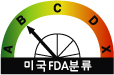
FDA : B등급
|

|
| * |
상기 임부투여에 대한 정보는 전산처리 되면서 입력 오류 가능성이 존재합니다. 오류 가능성을 최소화하기 위하여 많은 노력을 기울이고 있으나, 그 정확성에 대하여 확신을 드릴 수 없습니다. 이에 대해 회사는 책임을 지지 않습니다.
|
| * |
반드시 공신력 있는 문헌을 다시 한번 참고 하시기 바라며 의사 또는 약사의 판단에 따라 투여여부가 결정되어야 합니다.
|
|
|
신장애, 간장애시
용량조절 |
유료정보입니다.
|
| Pharmacokinetics |
유료정보입니다.
|
| 병용금기 및 연령대금기 근거조회 |
[병용금기 및 연령대금기 근거조회]
|
| 제형별 복약지도 |
[크림] |
| 보관상 주의 |
|
| 조제시 주의 |
|
|
|
| 심사정보 |
|
|
|
|
| 학술정보 |
|
|
| 항목 |
내용 |
| DUR (의약품사용평가) |
병용금기 :
고시된 병용금기 내용은 없습니다.
[상호작용/병용금기검색]
연령대금기 :
고시된 연령금기 내용은 없습니다.
[연령대금기상세검색]



|
| 독성정보 |
Lidocaine에 대한 독성정보 : 정보보기
Titanium에 대한 독성정보 : 정보보기
Titanium dioxide에 대한 독성정보 : 정보보기
Zinc oxide에 대한 독성정보 : 정보보기
출처: 국립독성과학원 독성물질정보DB : http://www.nitr.go.kr/nitr/contents/m134200/view.do |
| Mechanism of Action |
Lidocaine에 대한 Mechanism_Of_Action 정보
Lidocaine stabilizes the neuronal membrane by inhibiting the ionic fluxes required for the initiation and conduction of impulses thereby effecting local anesthetic action.
Zinc에 대한 Mechanism_Of_Action 정보
Not Available
|
| Pharmacology |
Lidocaine에 대한 Pharmacology 정보
Lidocaine is an anesthetic agent indicated for production of local or regional anesthesia and in the treatment of ventricular tachycardia occurring during cardiac manipulation, such as surgery or catheterization, or which may occur during acute myocardial infarction, digitalis toxicity, or other cardiac diseases. The mode of action of the antiarrhythmic effect of Lidocaine appears to be similar to that of procaine, procainamide and quinidine. Ventricular excitability is depressed and the stimulation threshold of the ventricle is increased during diastole. The sinoatrial node is, however, unaffected. In contrast to the latter 3 drugs, Lidocaine in therapeutic doses does not produce a significant decrease in arterial pressure or in cardiac contractile force. In larger doses, lidocaine may produce circulatory depression, but the magnitude of the change is less than that found with comparable doses of procainamide.
Zinc에 대한 Pharmacology 정보
Not Available
|
| Metabolism |
Lidocaine에 대한 Metabolism 정보
# Phase_1_Metabolizing_Enzyme:Cytochrome P450 1A2 (CYP1A2)Cytochrome P450 2D6 (CYP2D6)
|
| Protein Binding |
Lidocaine에 대한 단백결합 정보
60-80%
|
| Half-life |
Lidocaine에 대한 반감기 정보
109 minutes
|
| Absorption |
Lidocaine에 대한 Absorption 정보
Information derived from diverse formulations, concentrations and usages reveals that lidocaine is completely absorbed following parenteral administration, its rate of absorption depending, for example, upon various factors such as the site of administration and the presence or absence of a vasoconstrictor agent.
Zinc에 대한 Absorption 정보
Not Available
|
| Pharmacokinetics |
Lidocaine의 약물동력학자료
- 효과발현시간 (1회 bolus 용량으로서) : 45-90초
- 작용지속시간 : 10-25분
- 분포 (Vd) : 많은 요인에 따라 변화되며, 울혈성 심부전과 간질환에서는 분포용적이 감소됨
- 단백결합 : 60-80%, α1-acid glycoprotein과 결합
- 대사 : 간에서 90% 대사
- 활성형 대사체인 monoethylglycinexylidide(MEGX)와 glycinexylidide(GX)가 축적되어 중추신경계 독성을 유발할 수 있다.
- 반감기 (biphasic) : 울혈성 심부전, 간질환, 쇼크, 중증의 신질환에서 증가
- 초기 : 7-30분
- 말기 : 영아, 미숙아 : 3.2시간, 성인 : 1.5-2시간
|
| Biotransformation |
Lidocaine에 대한 Biotransformation 정보
Primarily hepatic.
|
| Toxicity |
Lidocaine에 대한 Toxicity 정보
The oral LD 50 of lidocaine HCl in non-fasted female rats is 459 (346-773) mg/kg (as the salt) and 214 (159-324) mg/kg (as the salt) in fasted female rats. Symptoms of overdose include convulsions, hypoxia, acidosis, bradycardia, arrhythmias and cardiac arrest.
Zinc에 대한 Toxicity 정보
Not Available
|
| Drug Interactions |
Lidocaine에 대한 Drug_Interactions 정보
Not Available
Zinc에 대한 Drug_Interactions 정보
Not Available
|
CYP450
Drug Interaction |
[CYP450 Table직접조회]
|
| Food Interaction |
Lidocaine에 대한 Food Interaction 정보
Not Available
|
| Drug Target |
[Drug Target]
|
| Description |
Lidocaine에 대한 Description 정보
A local anesthetic and cardiac depressant used as an antiarrhythmia agent. Its actions are more intense and its effects more prolonged than those of procaine but its duration of action is shorter than that of bupivacaine or prilocaine. [PubChem]
Zinc에 대한 Description 정보
A metallic element of atomic number 30 and atomic weight 65.38. It is a necessary trace element in the diet, forming an essential part of many enzymes, and playing an important role in protein synthesis and in cell division. Zinc deficiency is associated with anemia, short stature, hypogonadism, impaired wound healing, and geophagia. It is known by the symbol Zn.
|
| Dosage Form |
Lidocaine에 대한 Dosage_Form 정보
Aerosol TopicalAerosol, metered TopicalCream TopicalGel TopicalJelly TopicalJelly UrethralLiquid BuccalLiquid DentalLiquid InfiltrationLiquid IntravenousLiquid OralLiquid TopicalLotion TopicalOintment TopicalSolution InfiltrationSolution IntramuscularSolution IntravenousSolution OralSolution TopicalSpray TopicalSwab Topical
Zinc에 대한 Dosage_Form 정보
Aerosol OralCapsule OralCream TopicalDressing TopicalLiquid OralLiquid SublingualLiquid TopicalLotion TopicalLozenge OralOintment RectalOintment TopicalPaste TopicalPowder OralPowder TopicalSolution IntravenousSolution / drops OralSuppository RectalTablet OralTablet, extended release Oral
|
| Drug Category |
Lidocaine에 대한 Drug_Category 정보
AnestheticsAnesthetics, LocalAnti-Arrhythmia AgentsAntiarrhythmic Agents
Zinc에 대한 Drug_Category 정보
Trace Elements
|
| Smiles String Canonical |
Lidocaine에 대한 Smiles_String_canonical 정보
CCN(CC)CC(=O)NC1=C(C)C=CC=C1C
Zinc에 대한 Smiles_String_canonical 정보
[Zn]
|
| Smiles String Isomeric |
Lidocaine에 대한 Smiles_String_isomeric 정보
CCN(CC)CC(=O)NC1=C(C)C=CC=C1C
Zinc에 대한 Smiles_String_isomeric 정보
[Zn]
|
| InChI Identifier |
Lidocaine에 대한 InChI_Identifier 정보
InChI=1/C14H22N2O/c1-5-16(6-2)10-13(17)15-14-11(3)8-7-9-12(14)4/h7-9H,5-6,10H2,1-4H3,(H,15,17)/f/h15H
Zinc에 대한 InChI_Identifier 정보
InChI=1/Zn
|
| Chemical IUPAC Name |
Lidocaine에 대한 Chemical_IUPAC_Name 정보
2-diethylamino-N-(2,6-dimethylphenyl)acetamide
Zinc에 대한 Chemical_IUPAC_Name 정보
zinc
|
| Drug-Induced Toxicity Related Proteins |
DOCA 의 Drug-Induced Toxicity Related Protein정보
Replated Protein:Aquaporin-2
Drug:DOCA
Toxicity:hypertension.
[바로가기]
LIDOCAINE 의 Drug-Induced Toxicity Related Protein정보
Replated Protein:glucose-regulated protein
Drug:lidocaine
Toxicity:intestinal disorder.
[바로가기]
Replated Protein:Alkaline phosphatase
Drug:lidocaine
Toxicity:lidocaine induced hepatitis.
[바로가기]
Replated Protein:C-reactive protein
Drug:lidocaine
Toxicity:fever.
[바로가기]
Replated Protein:C-reactive protein
Drug:lidocaine
Toxicity:lidocaine induced hepatitis.
[바로가기]
Replated Protein:Alpha-1-acid glycoprotein
Drug:lidocaine
Toxicity:lidocaine tolerance.
[바로가기]
Replated Protein:Gamma-glutamyltranspeptidase
Drug:lidocaine
Toxicity:fever.
[바로가기]
Replated Protein:Alkaline phosphatase
Drug:lidocaine
Toxicity:fever.
[바로가기]
Replated Protein:Gamma-glutamyltranspeptidase
Drug:lidocaine
Toxicity:lidocaine induced hepatitis.
[바로가기]
|
|
|
| 사용자컨텐츠 |
|
|
|
|
|
-
최근정보수정일 2024-03-03
-
본 수정일 정보는 허가정보 이외의 기타정보 수정일을 의미하므로, 허가정보수정일은 본문에 표기된 날짜를 참조하시기 바랍니다.
|
|
| 알림 |
상세정보는 식품의약품안전처의 제품허가사항을 토대로 작성되었으며 요약정보는 상세정보 및 기타문헌을 기반으로 드럭인포에서 편집한 내용입니다. 제품허가사항의 목차와 다소 상이할 수 있습니다. |
|
| 경고 |
드럭인포 의약학술정보는 식품의약품안전처의 제품허가사항, 학술문헌, 제약회사 제공정보 등을 근거로 작성된 참고 정보입니다.
정보의 정확성을 위해 노력하고 있으나 편집상의 오류, 허가사항 변경, 추가적인 학술연구 또는 임상연구 발표 등으로 인해 발생하는 문제에 대해 드럭인포는
책임을 지지 않습니다. 자세한 내용은 “책임의 한계 및 법적고지”를 참조해 주십시오.
반드시 제조·수입사, 판매사, 의사, 약사에게 최종적으로 확인하시기 바랍니다.
전화: 02-3486-1061 ㅣ 이메일: webmaster@druginfo.co.kr
|
|
아래의 내용을 포함한 전체 데이터를 보시려면
여기로 이동하시기 바랍니다.
병용금기 및 특정연령대 금기 성분
[의약품병용/연령대금기 고시근거로 바로가기] 제목 없음
2008년 8월 1일 약가화일상 8월달 신규등재 및 삭제되는 품목 포함한 병용연령 금기 품목리스트 기준
1. 현재 검색한 제품에 대한 병용금기 제품 존재여부 및 검색
현재 이제품에 대한 병용금기에 해당하는 청구코드별 제품내역 공지내용이 없습니다
2. 연령대금기 존재여부
현재 이제품에 대한 연령금기에 해당하는 청구코드별 공지내용이 없습니다
|
|
|
|